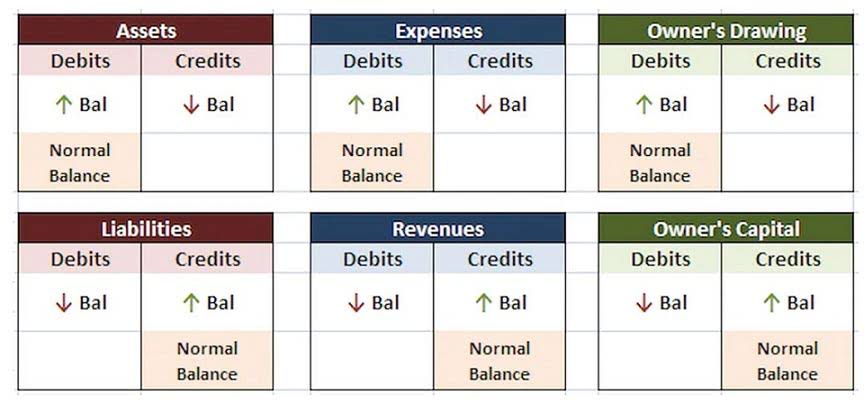
This can slightly increase the time required to investigate a transaction, but it is not a critical concern. A simple way to understand this format is to assume the normal debtor account. A normal debtor account will have a debit entry, representing How to Invoice as a Freelancer an increase in the debtor account. The above definition sounds more like an explanation for a trial balance, though trial balance is not an account.

So How Exactly Do These Control Accounts Ensure There Are No Errors?

The accounts receivable control account would also be updated to reflect this transaction. Without control accounts, accountants would have to individual add up all of the various subsidiary accounts individually in order to arrive at an overall total. The inventory control account tracks the value of stock held by a business, ensuring consistency between stock records and financial statements. Simply we can say that it tells how much business owes to the suppliers of a business at a particular time period.
Understanding Goodwill in Balance Sheet – Explained
Here you’ll find specific details like how much a customer still owes, or when purchases were made. The resulting ended balance will still match that of the control, however. A control account is a memorandum account to which various debits or credits from individual ledger accounts are transferred. When transactions occur in subsidiary https://zkus.mupyonline.cz/blog/2020/08/27/how-to-record-rent-paid-journal-entry-with-easy/ accounts, corresponding entries are made in the control account. The other accounts for which control account can be used are equipment, machinery, and inventory of a business. Further, it’s advisable that a control account be prepared for the account balance with a higher number of transactions.
What is a sales ledger control account?
- As companies continue to rely on data-driven financial management, control accounts remain an essential component of effective accounting practices.
- We strongly advise you to seek the advice of accounting and tax professionals before making any accounting-related decisions.
- This sale is recorded in Customer A’s individual account in the accounts receivable subsidiary ledger as a debit (increase) to their balance, which is now £500.
- Trial balance totals imbalance may occur due to one or a few errors.
- This synchronized recording ensures the general ledger remains accurate while providing operational detail.
- In this example, £500 is added to the accounts receivable control account (as it represents an increase in the total amount owed by all customers).
- To understand the meaning of these accounts in the true sense, one has to view it in a broader sense and understand the purpose of these accounts.
While they may provide complete control, they also require more labor. The people who would monitor these accounts are called control account managers. While this may seem small, it is still a task that has to be taken on.
Purchases Ledger Control Account (Accounts Payable Control Account)

Rather than dealing with the extensive details of individual transactions, accountants can use the summarised data from control accounts to present a clear picture of the company’s financial health. These subsidiary accounts typically contain detailed transaction data, while the control account provides an overall what are control accounts in accounting view of the total balances. A control account, also known as a general ledger account or master account, is a summary account that represents the total balances of other related subsidiary accounts.