

HighRadius stands out as an IDC MarketScape Leader for AR Automation Software, serving both large and midsized businesses. The IDC report highlights HighRadius’ integration of machine learning across its AR products, enhancing payment matching, credit management, and cash forecasting capabilities. Industry benchmarks show that manually processing an invoice can cost up to four times more than automated processing, due to the added workload, slower cycle times, and higher error rates. Without standardized https://www.kc-elektro.com/how-to-treat-your-paypal-account-in-quickbooks/ coding rules or system-enforced logic, different teams may apply different codes to similar transactions. This lack of consistency complicates spend analysis, undermines reporting accuracy, and makes cross-departmental budgeting more difficult to manage.
- Check if it can handle unstructured or handwritten invoices, and assess its ability to correctly identify line items, totals, and tax details.
- Making an invoice processing flowchart ahead of time can be a good way to organize your process so that when it comes time to implement your software, you know exactly how to set things up.
- This ensures that approved and coded invoice data flows seamlessly into your financial systems, eliminating the need for manual data entry.
- This is why optimizing your procedures for invoice processing is critical to business success.
- Invoice matching is the process of comparing an invoice with supporting documents—such as purchase orders and receipts—to ensure all details match before payment is processed.
Best Practices for Elevating Accuracy and Efficiency
- Approval workflows involve routing paper copies or email attachments to approvers, which can be time-consuming and inefficient.
- Automated invoice processing software eliminates manual work, reduces errors, and accelerates approvals.
- By importing data like charts of accounts, and syncing bills and payments back to accounting software, reconciliation is easier and faster for finance teams to manage.
- Businesses can quickly identify spending trends and make informed decisions, supporting growth and profitability.
- Look for features such as dashboards, automated notifications, and collaboration tools that allow teams to quickly resolve issues and approve invoices efficiently.
Once a bill is approved for payment, AP automation includes several options for invoice payment, all flowing from the same convenient system. The more these payments are made on an ad hoc basis, the more opportunity there is for errors to creep in, like a mistaken amount or an incorrect account number. Business payment processes can take many different forms, from corporate cards to physical paper checks to wire transfers and more. A business having to pay an invoice from a vendor or partner is quite a different process than how a consumer might pay a company for goods or services. Consider whether the software can scale with growing invoice volumes and evolving business needs. AI models should continuously learn from new data and adapt to new vendors, formats, or regulatory requirements without extensive reconfiguration.
Simplify your invoice management
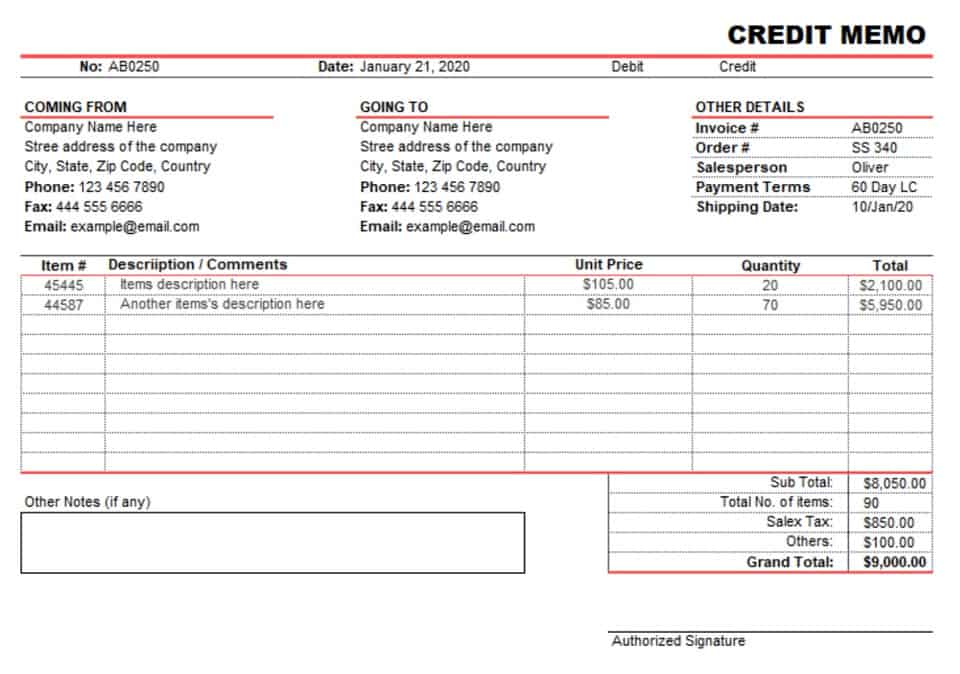
Coding invoices is a task traditionally done by hand, requiring staff to go through all incoming invoices and assign them the proper General Ledger (GL) code. These invoice codes – typically a string of numbers and letters – do everything from helping to organize expenses and track spending to complying with regulatory requirements. They help to identify specific vendors and which accounts to credit or debit. In general, manually a team can handle 50–100 invoices daily, but with AP automation, businesses can process thousands efficiently with fewer errors and delays.
Get Started with AP Automation for Community Association Management

Once the invoice is approved for payment processing, the invoice software automatically processes the payments to vendors. It provides complete visibility into every transaction, ensuring accurate and fast invoice coding and processing. Invoice coding lets you allocate and manage expenditures by location, product line, department, or project. It’s a vital tool for allocating and managing expenditures and calculating profitability. However, manual invoice coding processes can be inefficient and don’t scale up easily when your business grows. AP automation software has seamless integration with your ERP or accounting software.

Look for features like OCR technology, AI-powered data extraction, automated matching, and customizable approval workflows. This detailed coding enables accurate budget tracking, easier reporting, faster approvals, and better financial analysis. This manual process is prone to errors such as data entry mistakes, missed approvals, and delays. Handling a large volume of invoices requires significant time and attention, which can lead to delayed payments and inefficiencies. Invoice Outsource Invoicing coding plays a crucial role in Accounts Payable (AP) by ensuring expenses are properly tracked and recorded. It helps businesses manage budgets, maintain clean records, and stay compliant when done right.
STEP 5: Automated approval workflow

This simplifies internal reviews, supports external audits, and demonstrates what is coding in invoice processing adherence to financial policies, tax codes, and regulatory requirements. Contact DocuWare today to find out more about how we can help you achieve invoice processing best practices. DocuWare has helped more than 15,000 customers across 100+ countries simplify their work through digitizing, automating and transforming key processes. More than half our customers use DocuWare in their accounting departments, providing us with unique expertise that we share with our customers. Once the accuracy of an invoice is verified, depending on your business rules, it may be approved and sent to be paid. If additional approval is necessary, the invoice should be routed to the appropriate approver.